Category Archives: Outdoor Advertising

How to Maintain Work-Life Balance at Home?

hands_head_frustrated.jpg

Work from home has been continuously up for debate and discussion since the pandemic locked everyone down within the confines of their homes. It has inevitably become a part of everyday life and is expected to remain in practice for the next few months due to the constant threat of COVID-19 looming around our necks like an aimless sword.

While working from home has helped a vast majority of the global working population to keep the bread on the table, it has also messed up the work-life balance to the extent that people are no longer working from home, but are living at work.

There is no denial in the fact that the pandemic has been hard on hundreds of thousands of people in every geographical location where the pathogens of COVID-19 were found. But what is even more frightening is the fact that to keep the jobs, people had to succumb to the unrealistic expectations of their bosses.

From working late to receiving work-related emails in the middle of the night, everyone has suffered through a fair share of workplace monstrosity from home. While many companies are on the path of figuring out the ethics and etiquette of work from home, there is much room for learning on the employees’ end as well. The job helps you earn the bread but buying bread is not the only purpose of your life.

Today, when lockdowns are still imposed in many locations around the globe, and the disease control departments are anticipating the second wave of the COVID-19 outbreak, it is evident that work from home will be back in action. So to help our readers experience good mental health outcomes during the next bout of work from home, for the general lesson on life after lockdown, here are a few tips to help you maintain a healthy work-life balance at home to stay on top of your health and schedule.

Get yourself a cup of green tea and diffuse some lavender oils to begin your journey of self-love and better mental health through a balanced lifestyle that incorporates work and ‘life’ in an interwoven tapestry.

Why work-life balance matters?

Work-life balance is a crucial aspect of working from home. It helps you reduce stress and put a cork in the workplace, hassles away from your Zen-zone. Focusing on the maintenance of a healthy work-life balance ensures that the employees are healthy and happy. It helps in breaking the day in episodes of high stress and responsibility against the time to relax and refresh.

The vast majority of workers from the corporate sector suffer from chronic stress disorders that manifest in the physical health and routines of the staff. Since work has moved home, the stress has spread its wing over the entirety of employee life and has left no room to breathe for the average employee of a corporate organization. Surveys on krogerexperiencee have revealed that people have taken to unhealthy sleep patterns due to the disturbances to their circadian rhythm and internal clocks.

How to maintain a healthy work-life balance?

The only way you can succeed in distancing work from your home life is to segregate them as you did in the past. It may seem a bit challenging, but if you put your mind and effort to it, you can quickly get it done in no time!

Have a separate workspace.

The first step is to separate a space that is designated for work alone. Whether it is a coffee table and couch or a chair in your room, assign one spot for work where you can enjoy working and attending Zoom meetings without ruining the comfort of domestic space. Decorate the space with lamps, journals, or sticky notes that you will need during the workday and try to limit your screen time within the designated area.

Clock out work hours.

The next trick is to have similar work hours. If you started work at nine and clocked out at five, then do the same from home. Be unapologetic about your time frame to let your seniors know that employees, too, have a life outside of work. A set routine will help you relax and sleep better at the end of the day.

Dress up for work.

While many people have been enjoying work in pajamas and no bras, it has also led to a negative impact on mental health. Try to dress up a little for work. If you cannot manage to put on pencil skirts and silk blouses, then at least you can wear a casual top and jeans to keep yourself conscious that this is work time, and then you can change into your tattered tee and cotton shorts at the end of the workday!

Focus on hydration and nutrition.

Just like you did at work, keep a bottle of water and some snack bars around your workspace so that you don’t starve while working from home. It was evident that cooking three-course meals for lunch may not be an ideal choice, but at least you can keep your mind nourished and your body hydrated to feel better about yourself and the choices you make to stay posted on the job.

Burn some calories.

Exercise is an excellent way to bust stress and improve overall health. It helps you clear your mind and boosts mental and cardiovascular health. Try to work out at the end of the day to release all the work-related stress from your pores.

Develop a hobby

A hobby can work wonders in helping you differentiate between work and home life while working from home. Try reading books or pottery, or perhaps cooking to feel at ease after a long day at work. Make sure that your hobby helps you relax and does not add more stress to your already tired bones.

Final thoughts

Health is the only wealth we truly acquire in life. So try to treat work as a part of life and not life itself to move forth in the direction of a healthier, happier lifestyle.

This guest post was written by Owais, an SEO puzzle solver. A strategy maker by day and a reader by night. His love for spreading digital wisdom keeps flowing like fluid that makes him write useful blogs for the readers. When he isn’t making strategies, he is found playing cricket, All in all, he is a digitized foodie and keeps grasping knowledge as soon it comes by. You can read his blogs at SEOIntellects. Follow him on Facebook, LinkedIn, Twitter, Instagram.

5 Reasons why it’s Harder for Small Businesses in Austin to Improve Rankings and How SEO Can Help

computer_point.jpg

Austin was once ranked #4 in the country among the top cities to launch a business. Over the years, it has consistently ranked near the top of the American City Business Journal’s Small Business Vitality index on account of its booming tech industry.

No city has added million-dollar businesses faster than Austin! The capital of Texas provides a fertile atmosphere for business prosperity and overall economic growth. However, this also means that Austin boasts a highly competitive digital landscape where achieving sustained growth is infinitely more difficult, especially for small businesses.

Studies have shown that 20% of small businesses fail within their first year due to unsuccessful marketing initiatives. Marketing takes time, energy, and expertise, and most small businesses are strapped for resources.

Some other reasons why small businesses in Austin struggle to drive organic traffic are:

Big Brands Dominate Online

It can sometimes seem like Google gives big brands all the breaks; giants like Amazon rank for almost 70 million commercial keywords across the internet. Since 75% of internet users never scroll past the first page of their search results, the majority of the sales go to these big brands, making it almost impossible for smaller sites to rank and compete.

You can’t help but wonder, “Is there a Google bias going on behind the scenes?”

It’s time to step back and learn from the big brands. Brands like Walmart, eBay, and Yelp don’t just adapt to the constantly changing algorithm with the best SEO practices, but they also leverage brand building and awareness to become a part of the public consciousness and build a lasting relationship with their customers.

Small Businesses Lack In-House Expertise

Even with an integrated marketing plan and a coordinated SEO strategy, many small businesses in Austin lack the analytics expertise and/or technology needed to implement in-house SEO. Big names, on the other hand, leverage thorough keyword research, state-of-the-art reporting tools, and conversion optimization tools to put their brand on the map.

Fortunately, a small business can fill this gap by outsourcing to SEO professionals in Austin. SEO agencies have a team of seasoned experts who give you the opportunity to put your business on the road to success with advanced SEO tools and marketing expertise. We’ll discuss more about how SEO services can help small businesses maximize their outreach later in the blog.

people_working.jpg

Small Businesses Are Unable To Leverage Quality Link Building and Media Coverage

Big brands and sites with great reputations often get backlinks without even trying. They have considerable weight behind their name, which makes getting media coverage in big publications or reaching out for editorial links from authoritative sites a breeze.

Small businesses, however, don’t have a seal of approval from big publications and struggle to develop brand recognition.

Big Brands Have Been At It Longer

Big businesses have generally been around for longer. This means they already have years of content, a recurring base of online visitors, and tons of inbound links–it’s no wonder they secure the top ranking positions in search results!

Regardless of the industry your small business in Austin is in, you’ll have at least one competitor who’s been around longer. Think of it this way: big brands have simply been doing SEO longer; they know what works, and what doesn’t and they leverage insights from past successes to maintain their position.

This is where SEO services in Austin come in! SEO consultants can help you make the most of your industry niche with the latest and best SEO practices, enabling you to build business credibility across a diverse set of online platforms.

Small Businesses Have a Smaller (Less-Optimized) Website

If you own a small business, chances are your website isn’t just newer, but also smaller. You probably have fewer pages overall, which means you have lesser targeted keywords and scarcer opportunities to rank.

One of the reasons why big websites are able to get more traffic is that (you guessed it) they have a larger collection of resources that drive traffic to their sales funnel. Just think of all the individual pages Amazon has for each and every product they offer. Plus, they’ve mastered on-site SEO for both users and search engines by incorporating trustworthy content, ensuring mobile-friendliness, optimizing structured data, HTML tags, and more.

desk_computer_hand.jpg

How Small Businesses Can Still Win

So, the question is how a small business in Austin, with limited resources and experience, compete with this high level of online domination?

Two words: Local SEO.

Local SEO is the act of optimizing your site and content to appear for geo-targeted keywords like “best seafood restaurant Austin.”

The beauty of a local SEO strategy is that it levels the playing field for businesses of all sizes in a given locality. It promotes your products and services to local prospects and customers.

72% of consumers conduct a local search before they visit a store within five miles of them. Local SEO helps you rank for these search results, driving potential customers to your brick and mortar locations.

With Google focusing more on locally targeted content and proximity searches, implementing local SEO can really be your answer to competing with industry giants in the digital space in Austin.

Breaking Through the Clutter with Austin Local SEO

Search results are becoming more and more local; so much so that Google’s Local Pack displays local business at the very top in search results. In fact, these results cover the entire first page in mobile devices! What does that tell you? That you’ll probably lose a chunk of traffic if you don’t optimize for local searches.

Here are some ways you can do so:

1. Optimize for Google My Business

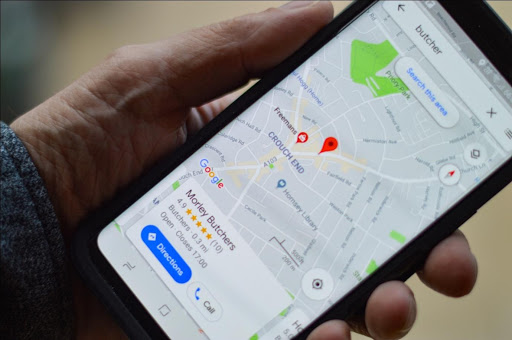
Google My Business is the crème de la crème of local searches. It puts your business on the map–literally. After Google authenticates your company as legitimate, it displays it on Google Maps and perhaps even in the coveted sidebar space of a Google Search if you’re lucky.

To get your business verified, you need to provide accurate details like contact information, business address, and relevant photos to help search engines display an accurate picture of your company. According to Google, businesses that include pictures in their GMB profile will likely see 35% more clicks.

holding_phone.jpg

2. Set Up Your NAP (Name, Address, Phone Number)

To make it simpler for search engines and potential customers to find you, incorporate the name of your city, town, region, and neighborhood in your landing pages by following Google’s N.A.P rule. Make sure to include this as crawlable HTML text on your website.

3. Incorporate Targeted Keywords

Double down on targeted keywords to win local SEO. This means using geo-specific phrases and keywords in meta descriptions and title tags. If your company serves multiple physical locations, make sure to create separate pages for each one.

Moreover, adding local landmarks will help fulfill user intent and voice search requirements. For instance, a potential customer doing a voice search while driving is likely to ask, “Is there a seafood restaurant near University of Texas at Austin?”

Similarly, optimizing for “near me” searches like “seafood restaurant near me” can also maximize your local search marketing since Google picks up the user’s GPS location to display search results in their locality (near them).

4. Optimize Your Site for Mobile

Nine out of ten users conduct local searches on their devices, which means that optimizing your site for mobile devices is a necessity.

Make sure your website:

– Loads quickly (within 3 seconds)
– Delivers great UX
– Has a responsive design

Your potential customers will use your mobile site to find directions, look up reviews, browse through your offerings, and search for your contact information, so make sure your site is mobile-friendly in every aspect.

Final Thoughts

Unfortunately, there are no shortcuts other than SEO to rise to the top ranks in search engine results, especially when you’re a small business and have a big competitor lingering on the scene.

Think of SEO as an investment with a high return that leverages your geographic location and ability to overcome your competitors in niche areas.

You can increase your odds of SEO success by hiring SEO professionals in Austin that keep up with the best practices of Local SEO to increase your location-specific relevance. While you may not be able to rank for highly competitive keywords, you will, at least, be able to surpass them in relevance.

This guest article was written by Joseph Dyson, a business reputation management and SEO expert at Search Berg, an award-winning digital marketing firm serving SEO services to businesses in Austin. He specializes in on-page SEO, link building services and providing online reputation management services.