Statistica reports that there will be more than 3 billion active social media users by the end of 2021. While the number is staggering, it certainly offers a lot of potential for digital businesses. Not to forget 3 billion means half of the world population. With that fact, it is obvious that digital commerce will only rise further.
How Can Fashion Brands Use Social Media?
Fashion industry has grown by manifolds in the past few years, especially after social media channels emerged and grew. Today it is a $2.4 trillion-worth industry.
We all see fashion posts on and off on social media channels. Top fashion brands like Macy, Gucci, Prada, and many others are going big on social marketing because:
- It generates revenue
- It converts faster
- It helps engage users
- It keeps the digital engine running
If you are still not convinced how social media is changing the dynamics of fashion industry, then read on. With over 2 billion social media users as of the writing of this report, your customers are already lingering on social media platforms.
What does it mean for fashion store owners? It means that social media channels offer a way for you to market your products to a wider audience. Whether you are selling leather jackets or yoga pants, there is a market available on social media that you can easily use to double your sales.
Best Ways Fashion Brands Can Get More Sales through Social Media Channels
Take Facebook, Instagram, Twitter, YouTube, or any other platform. All of them have one thing in common. Attention. If you can get the attention of the users on these channels, there is no turning back.
Although the technicalities of getting attention will be different on these channels, however, the ways we have identified will work on all of them in the same way.
Let’s read the top strategies that fashion brands can use to make it big on social media this year.
1. Make Your Fashion Posts Click
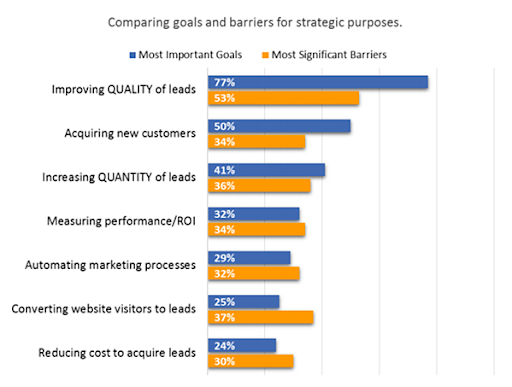
According to Post Planner, currently, the biggest worry of social media managers is to improve the quality of leads they get from social media channels.
Moreover, Social Media Examiner’s 2017 report suggests that more than 65 percent of businesses on social media platforms want to generate leads. However they are not just interested in generating leads but qualified leads that can help them increase conversion rate and move the needle further.
A few businesses have cracked the code to getting it right on social media. One of them is the Macy’s. Take a look at how it markets its products on social media. All of these are impulse products, so people buy them in an instant.

2. More Content = More Search Engine Rankings
Lyfe Marketing, a social media marketing agency, suggests that social media marketing can DEFINITELY impact search engines. It says that the traffic doesn’t directly impact the search rankings. Let’s say you market a product on social media, and then you see increased search rankings, it doesn’t happen that way. However, there is a direct correlation in the number of social signals and the ranking position of posts.
It means posts that rank well in social media tend to rank higher in search engines as well.
Also, yes, there has been a lot of debate on how social media can impact search rankings, but there are certain obvious reasons that back the fact. These are:
- Search engines index posts faster that are on social media
- Social media posts get more authority
- Posts on social media are more likely to get backlinks, which indirectly impact search traffic
3. Community Management Is the Key
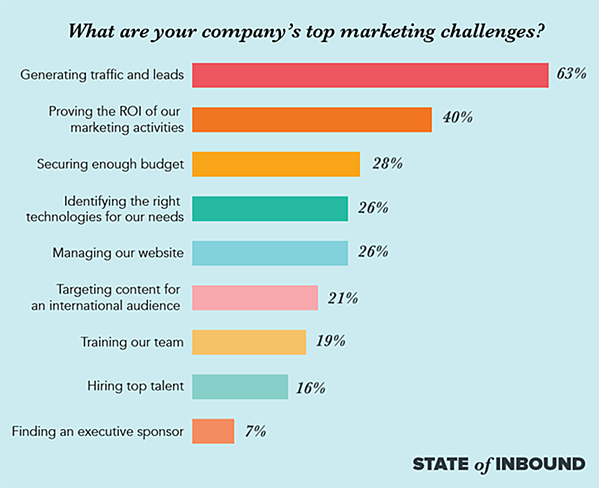
Social media offers a lucrative way for any brand to build a social media community. For instance, there are a dozen affiliate marketing forums. If you have an active affiliate program, you can go into these affiliate marketing communities and persuade them to join your websites. But you won’t just be persuading them to join you. You will have to look at their pain points. What are some problems that people are facing, and how you can solve them?

Community helps people engage, interact, and feel connected. Majority businesses are not able to tap into community marketing on social media because they are too busy focusing on marketing rather than solving customer pain points.
4. Replicate Your Competitors
See how your fashion competitors are marketing on social media and then use the same tactics for your marketing. Burke Hedges of Copy Cat Marketing 101 says that the best way you can market your products better is by following how others are doing it, then replicating it, and doing it better than them. This is a plain and simple strategy, yet many are oblivious to it.
There are many tools you can use to know how your competitors are marketing their products, including Social Blade, Hootsuite, Sprout Social, and Sparktoro.
You can use these tools to learn more about how your successful competitors market their products. Even if you don’t have tools available, social media is transparent, and you can go to their pages and see the following:
- What type of content they are posting
- How much interaction they are getting
- Are they responsive? Do they reply to each user
- Are they active on social media communities
- Do they form a partnership with other pages on social media
- Do they run their own community pages
- How much informational content and how much promotional content do they post in a month
5. Focus On Influencer Marketing
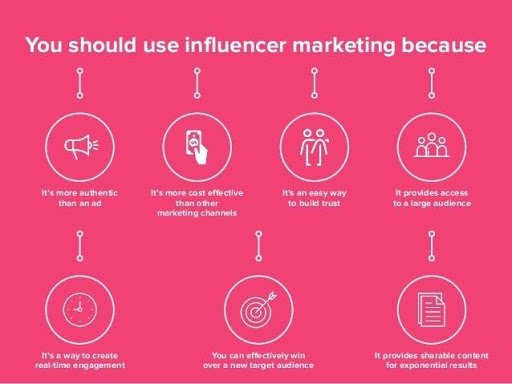
One of the best ways to get more sales through social media is by using influencers. Influencers are celebrities on social platforms. They have thousands of followers. Most of them are willing to promote other products for a small price. If you can get some of these influencers to promote your products, you will have more orders coming to your website. Also, you can place native advertisements on influencers’ feeds.
Influencer platforms such as Grin and Buzzweb can help you find relevant influencers for your website or ecommerce stores. These platforms allow you to find the most suitable influencers based on their follower count, engagement rate, and niche.
6. Establish Your Fashion Brand as an Authority
Last but not the least, the best way to win BIG on social media is to establish your brand as an authority. This means your page should be the go-to resource for every question related to the pain points you are trying to solve. Look at how Leather Skin Shop, a leather jacket brand is giving tips to people on how to measure yourself at home on its Facebook account.
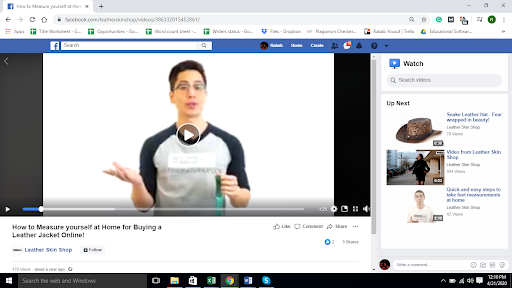
When your page receives more traffic, it will eventually lead to more traffic on your website and then more sales.
Bottom-line
The best way to market on social media is to understand the gaps that your competitors are not filling. When you have found those gaps and covered them, it is just a matter of time before people will start coming to your page. They will understand that you are an authority and will eventually trust you. So you can easily market your products and promote your offers.

This guest post was written by Mary Warner who loves to share her views related to latest trends in marketing, technology, ecommerce, and the like.